Washable incontinence underwear: buy once, wear for two years
Disposables are a subscription you never signed up for — roughly $40 a month, forever. Washable leak-proof underwear turns that into a single purchase you launder with the towels.
A woman using three bladder pads a day goes through about 1,100 to 1,400 disposables a year, at a typical cost of $380 to $520 depending on brand and absorbency.
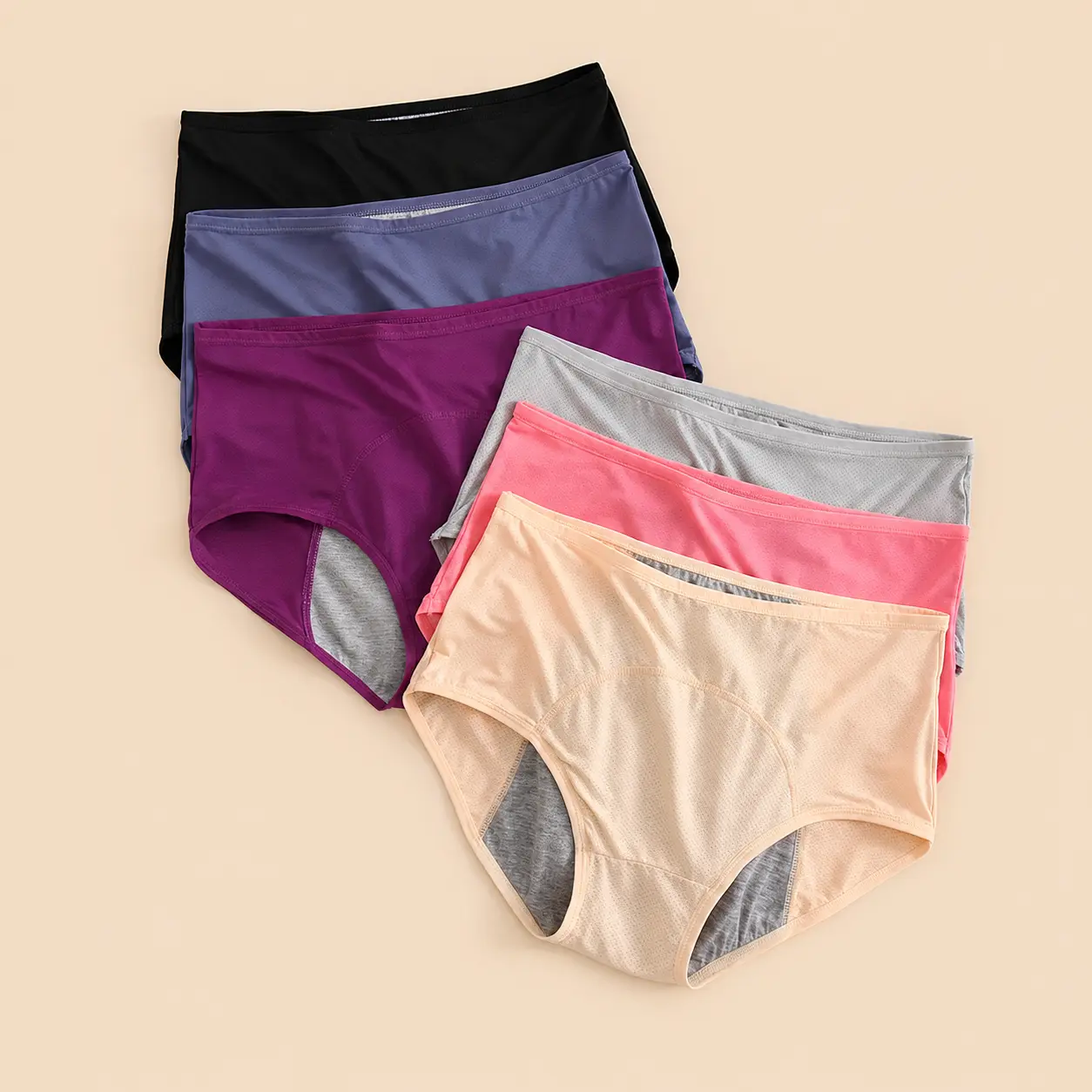
A six-pair DryGuard bundle costs $119.90 once and lasts roughly two years of daily rotation. Even replacing the set every other year, the running cost lands near $5 a month instead of $40.
About 1,400 fewer disposables in landfill each year
No emergency supermarket run when the box runs out
No bulky packs to hide in the bathroom cupboard
The exact wash routine that protects absorbency
Absorbent fibres fail for one reason: coating. Fabric softener leaves a waxy film, and bleach breaks the fibre structure. Skip both and the core keeps performing.
Count the days between your wash loads and add one. If you wash twice a week and wear one pair a day, six pairs keeps you covered with a spare. If you leak heavily and change twice daily, the ten-pair bundle removes the pressure entirely.
Skin health matters as much as absorbency
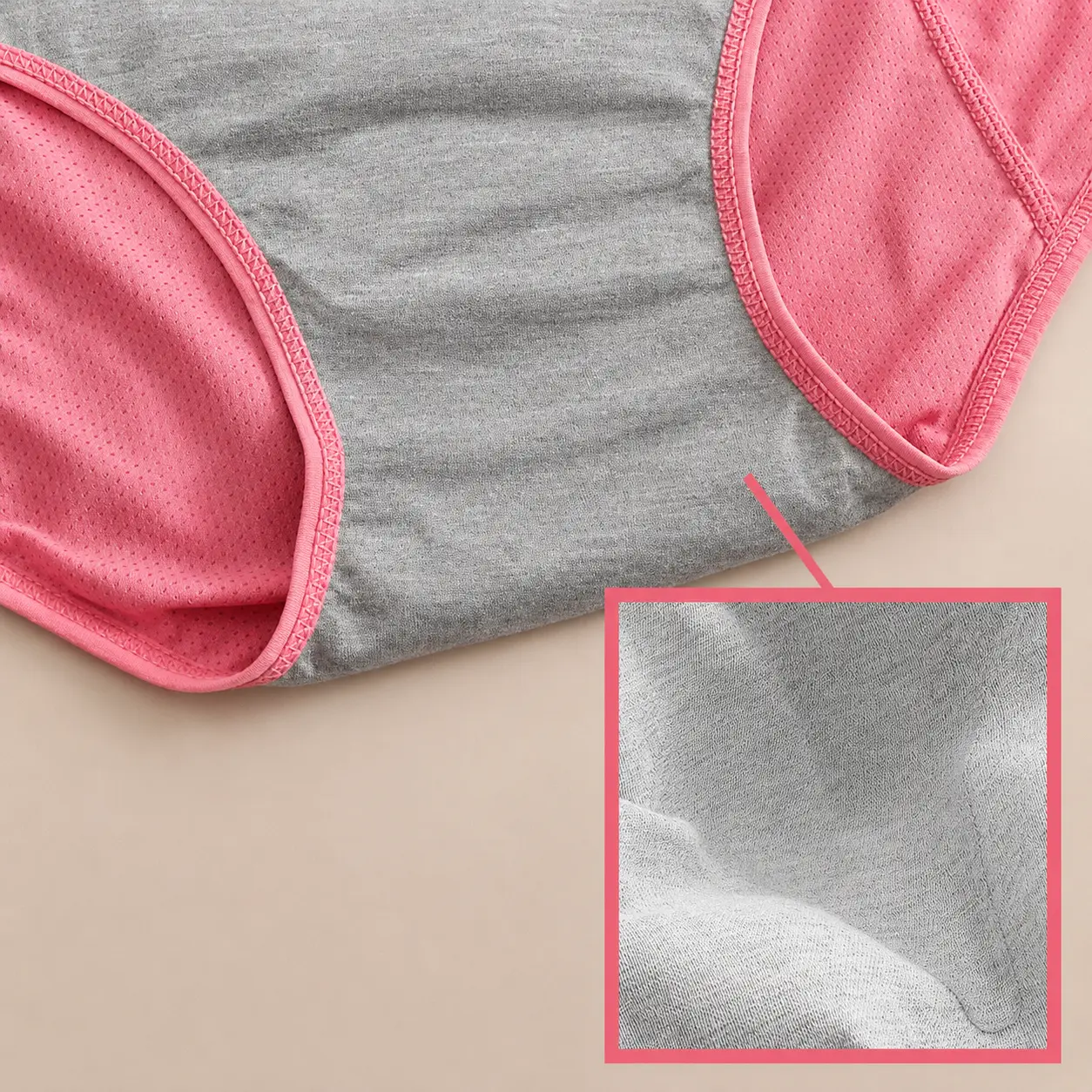
Prolonged contact with moisture and plastic film is what causes the redness and itching many women blame on "sensitive skin". A breathable cotton face that wicks liquid away in under two seconds keeps the skin barrier intact.
That is also why several of our customers report their irritation cleared within two weeks of switching — the fabric changed, not their skin.
Washable vs disposable: a five-year cost comparison
Cost per wear is the only number that matters once you have used both. Disposables never stop charging you; washable underwear charges once and then amortises.
Disposable pads
Disposable pull-ups
DryGuard washable
Up-front cost
$12 a pack
$18 a pack
$119.90 (6 pairs)
Year 1 cost
$380–$520
$600–$900
$119.90
Year 5 cost
$1,900–$2,600
$3,000–$4,500
$239.80 (one replacement set)
Waste over 5 years
~7,000 items
~5,500 items
12 garments
Skin contact layer
Plastic top sheet
Plastic top sheet
Cotton-rich, breathable
Noise
Crinkles
Crinkles
Silent
What "200 washes" is actually measured against
A wash-count claim is meaningless without a test method, so here is ours. Each production batch is cycled at 30°C on a gentle programme with standard detergent, and absorbency is re-measured at 50, 100, 150 and 200 cycles. A batch passes only if capacity at 200 cycles is still within 5% of the first measurement.
We also test the waterproof membrane for delamination and the waistband elastic for recovery, because in practice those fail before the core does — usually because someone tumble-dried a pair on high heat every week.
Stain, odour and hygiene questions people are too polite to ask
Urine is sterile when it leaves a healthy bladder; the smell develops when bacteria break down urea in warm, airless conditions. A cold rinse straight after wearing removes almost all of it before that process starts, which is why the rinse step matters more than the detergent you use.
For a pair that has sat in a laundry basket for a day or two, soak in cold water with a tablespoon of white vinegar for thirty minutes before the normal cycle. Do not use bleach — it degrades the fibres and voids the durability testing above.
Cold rinse within a few hours is the single most effective habit
Wash at 30–40°C; hotter water shortens membrane life
White vinegar soak for stubborn odour, never bleach
Hang dry away from a radiator or direct heat
Store dry and folded, not sealed in a plastic bag
Travelling, working and washing away from home
The practical objection to reusable underwear is what to do with a worn pair when you are not near your own washing machine. A slim odour-sealed pouch in your bag solves it — rinse in a basin if you can, seal it if you cannot, and wash normally when you get home.
For a week away, four pairs and a hotel basin is enough; for a long-haul trip, six pairs means you never have to wash on the road at all.
Who washable underwear is not right for
Honesty is worth more than a sale here. If you have no reliable access to laundry, if you need heavy overnight capacity beyond 30 ml, or if a carer manages changes for you several times a day, disposables may still be the practical choice — or a combination, with washable pairs for daytime and disposables at night.
After my hysterectomy I leaked every time I coughed. Pads shifted and smelled. My first DryGuard pair held through a two-hour walk and I honestly cried a little. I've worn nothing else for four months.
Margaret T., 62Columbus, OH · Verified buyer
Nobody can tell — that was the whole point
They look and feel like regular briefs under leggings. No crinkle, no bulk, no smell. My daughter borrowed a pair postpartum and immediately ordered her own.
Denise R., 58Sarasota, FL · Verified buyer
Saved me about £40 a month on pads
I washed the first set over 60 times and they still hold. It paid for itself in the second month. Ordered the 10 pair so I never have to think about laundry day again.
Yvonne K., 67Leeds, UK · Verified buyer
FAQ
Common questions
Dry for 90 days or your money back
Wear them. Wash them. Put them through a real week. If DryGuard is not the most comfortable, most reliable protection you have ever worn, email us and we refund every cent — worn pairs included, no return shipping needed.
Full refund of what you paid, including shipping
One email to support — no forms, no phone queue
Keep the pairs you already wore and washed
Refunds land back on your card within 5 business days